Electronic continuity book
The set wall, after they strike the lights.
Pin script notes, shot cards, and dailies chips in one book. Match takes by eye, not by hunting folders on a laptop in the rain.
Electronic continuity book
Pin script notes, shot cards, and dailies chips in one book. Match takes by eye, not by hunting folders on a laptop in the rain.
Script supervisor desk
Each card carries scene, setup, take, wardrobe, and a still from camera or the roll. Line the script on the same page. Circle the print. Attach a voice memo when you cannot write.
Pin a still beside the lined script. Mark eyeline, hand props, which take printed, and whether the watch was on.
Keep stop, lens, and filter on the same card as the picture, so color is not guessing from a separate report.
Drop a voice memo on the card when hands are full — it stays with the setup, not in a group thread.
Dailies color wall
Grade stills hang as a strip of gels. Pick a hold look for the scene, then match later setups against that chip. Name the light the way the set talks: tungsten, cyan edge, skin plus two.
Who holds the book
Folio is not a new department. It is the same notes already written on tape, now pinned so the next person can read them at 2 a.m.
Scripty
Lined sides, print takes, wardrobe and prop jumps. Voice when the reset is too fast to write.
Camera
Lens, stop, filter, and a grab from the roll live with the slate number the scripty already used.
Color
Dailies stills as a wall of gels. Match Tuesday’s pickup to Monday’s hold without opening a project.
1st AD
Export the wall as a PDF for the next day’s sides so pickups do not rely on memory.
Stripboard
The book follows the day you already run. Nothing here is a new workflow — it is the wall that used to live on cork.
Open yesterday’s circled takes. Wardrobe stills on top of the pile.
New setup card. Camera report fields wait for the first roll.
Two stills on one hinge. Check hands, hair, practicals before the reset.
Hold look taped to the scene. Alt chip if the producer wants cooler.
Voice notes stuck to cards. PDF wall for editorial if they never open the book.
Where the book lives
SC 01 · 12–40 days
Multi-day wardrobe, crossed watches, pickup days two weeks later. Continuity stills travel with the 1st AD packet.
SC 02 · 1–3 days
Fast setups and a client in video village. Color chips sit next to the hero product still so the hold look does not drift after lunch.
SC 03 · pickups
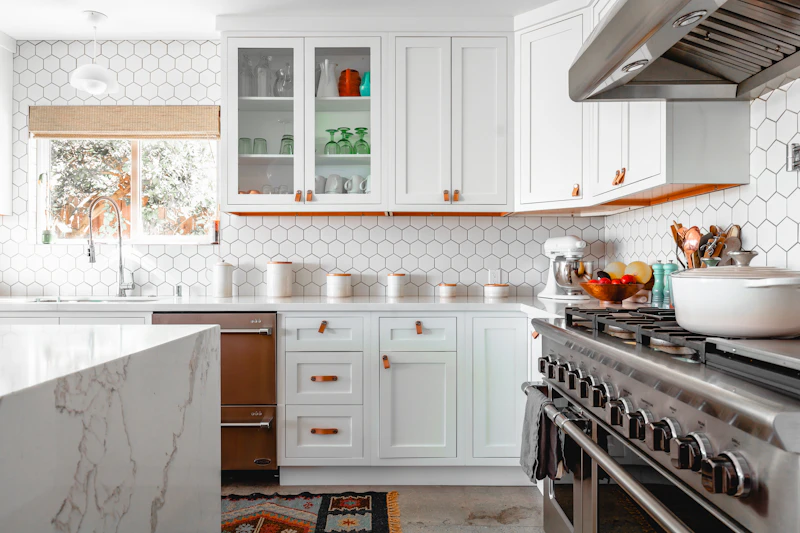
Return to the same kitchen weeks later. Window light, shirt, and mic placement are on the card — not in someone’s notes app.
Hand-off
If post never installs Folio, they still get a PDF of the day’s cards, stills, chips, and circled takes. Camera report lives on the same page as the picture.
After they strike
On the truck
Local
Shoot days keep working when the lot has no signal. Sync later if you want a copy in the office.
Hands
Grab a still from the set camera or the roll. Pin a short voice note to the card when you cannot write.
Pack
Nothing leaves the device until you export a pack. No public feed. No village slideshow.
Pinned notes
No. Folio is the cork wall: stills, lined notes, chips, and voice. Scheduling and color timelines stay where they are.
Yes. Export a PDF wall or a still pack. Chips are labeled in set language, not software names.
Use cards for costume and props only. Camera report and chips can stay empty. The wall still prints.
A commercial day or a single night exterior is enough. Send unit size, days, and whether you need voice notes.